If high cholesterol runs in your family, it is never too early to prevent and to learn how to eat and what foods to avoid high cholesterol.
Most people have heard that not all cholesterol is bad, but they also lack an understanding of what the two types of cholesterol and what levels can mean. According to the American Heart Association, the LDL or "bad" cholesterol can form plaque and clog your arteries, leading to heart attacks and strokes. HDL or "good" cholesterol, works in reverse to the protection from heart disease. total cholesterol level should be less than 200 mg / dLGenetics is one of the biggest players in determining cholesterol levels. Exercise is a great way to defy genetics and what you eat plays a big role. The Mayo Clinic suggests the fight against high cholesterol levels, uploading your diet with these five preventing cholesterol foods. You may be surprised by the list, as many of these foods are high in fat, so "bad" for you. A basic breakfast oatmeal is inexpensive and easy to prepare. Contains soluble fiber, which apparently reduces the absorption of cholesterol in your body. Aim to consume at least ten grams of soluble fiber a day. A one and a half cup serving of food provides six grams of fiber. Another benefit of starting your day with oatmeal that will keep you full and prevent overeating later in the day. Maintaining a healthy weight and prevent cholesterol.Nuts are a healthy snack and some species, such as walnuts and almonds can reduce cholesterol. Remember, however, that nuts are rich in calories, so you should stick to a small handful a day. Omega-3 fatty acids have been touted for its benefits to their health, specifically related to heart health. Try to eat fish twice a week, choosing those with high levels of omega-3 fatty acids like salmon, tuna, sardines, herring, trout and mackerel. Cook the fish by baking or grilling instead of frying it, which may cancel the benefits of cholesterol prevention. If you do not eat fish, get the same benefits from fish oil supplements, flaxseed and canola oiOlive ground oil contains a wealth of heart-healthy antioxidants that are not only lower levels of LDL, but you do not affect the HDL cholesterol. Use in place of butter when cooking, like sauteing vegetables or salad dressing. To keep your calories down and finally reap the benefits, aim to consume two tablespoons a day. What are plant sterols? It may sound very tasty, but in reality fighters cholesterol enrichment of foods such as margarine, yogurt drinks, and some orange juice. While you should aim to eat a healthy diet full of fruits and vegetables, lean protein, whole grains and fiber, these are the five basic food to avoid high cholesterol.
Besides a healthy diet to prevent high cholesterol, there are some supplements that you can get. Always consult your doctor before starting any project healing, although physics. Some cholesterol-lowering supplements include:
* Artichoke extract
* Oil or barley extract
* Bark Psyllium
* Fish oil capsules
* Ground flaxseed
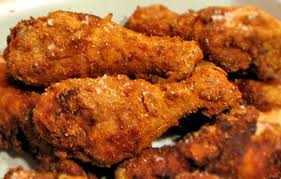
Some of the best tasting food is, unfortunately, the worst for you. Eat these foods in limited quantities since it is rich in cholesterol:
* Butter
* Ice cream
* Whole milk dairy products
* Meat institutions
* Red meat